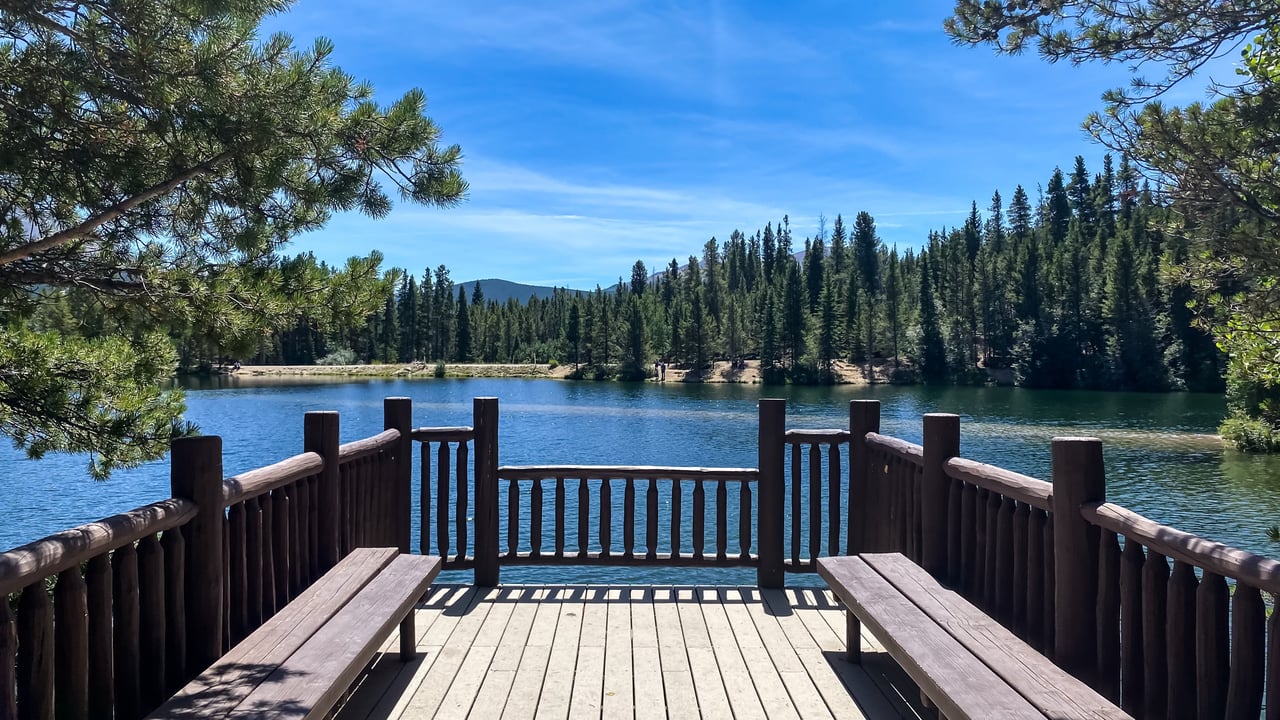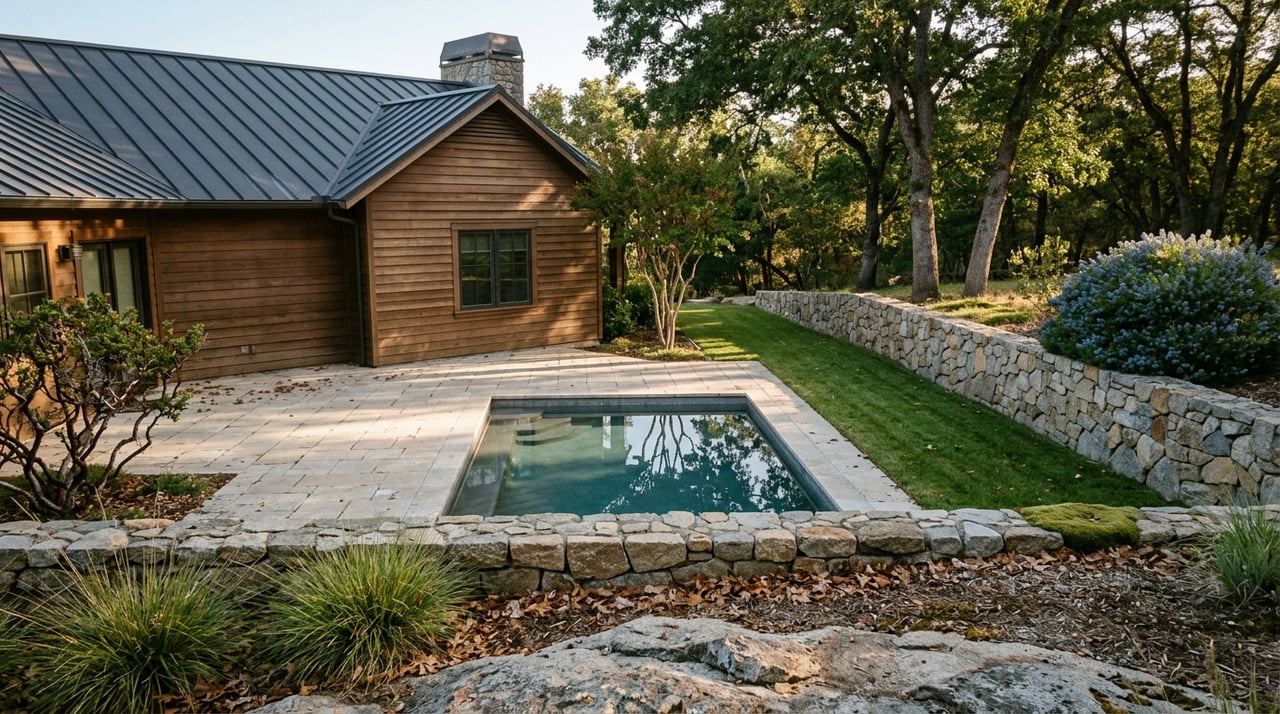
Picture two houses a few doors apart in Greenhorn Creek, the golf community wrapped around the Robert Trent Jones Jr. course in Angels Camp. Similar square footage, similar age, similar view of the fairway. One carries a line-item assessment on the county property tax bill that never shows up in any HOA paperwork. The other doesn't carry it at all. Neither seller can tell you why without pulling the parcel map.
That's not a hypothetical inconsistency. It's how Greenhorn Creek is actually built, and it's the detail that trips up buyers who assume "HOA dues" is a single number they can shop against other Calaveras County listings. In this community, the dues line on a listing sheet is one of at least three separate obligations, governed by three separate entities, and not every home carries all three. If you're getting ready to write an offer here, knowing which ones apply to your specific parcel matters more than the dues figure itself.
A resort under new ownership is why people are asking now
Greenhorn Creek Golf Resort changed hands in June 2026, when Sierra Golf Management, a Chowchilla-based operator that now runs more than a dozen California courses, took over the property. Camps Restaurant closed briefly during the transition and reopened on June 19. Both the resort and Sierra Golf Management happen to be marking 30th anniversaries this year, and the new ownership has been framing 2026 as a milestone season with anniversary events running through the rest of the year.
An ownership change at the club doesn't rewrite anyone's HOA documents. But it's a natural moment for prospective buyers to start asking harder questions about what they'd actually be signing up for if they bought in, especially since the resort's amenities, not just the golf course, are part of what "living in Greenhorn Creek" is often sold as. That curiosity is worth channeling into the right questions, because the fee structure here has always been more layered than a single dues number suggests.
Layer one: Greenhorn Creek isn't governed by one HOA
The first thing to understand is that "Greenhorn Creek" is not a single homeowners association. It's a subdivision with multiple associations governing different subareas. The Gallery at Greenhorn Creek, a neighborhood of homes built by DeNova Homes between 2017 and 2018 ranging from about 1,442 to 2,325 square feet, has its own owners association, separate from the broader Greenhorn Creek association that governs other parcels in the subdivision.
That distinction has real weight for anyone buying today. DeNova's Gallery development sold out years ago, which means every Gallery purchase from here forward is a resale, not a builder transaction. That matters because resale purchases trigger a different set of disclosure obligations under California law than a new-construction sale does, and the association you're buying into determines what those documents actually contain: separate CC&Rs, separate reserve funding, separate dues, and potentially separate rules about things like rentals. Two buyers touring homes on the same afternoon, one in the Gallery and one in an older section of the subdivision, could be reviewing entirely different governing documents by the time they're in escrow.
Layer two: a city assessment that doesn't cover every parcel
The second layer isn't an HOA charge at all. It's a public assessment. The City of Angels Camp maintains the Greenhorn Creek Landscape and Lighting District, a Prop 218-approved levy that funds landscaping and lighting within parts of the subdivision. The city's own page on the district is explicit that not every parcel within Greenhorn Creek falls inside the LLD boundary, and points buyers to a parcel map and the district's current engineer's report for the specifics.
This is the layer that catches people off guard, because it doesn't live in the HOA packet. It's a government assessment, so it shows up on the property tax bill, not in the association's resale disclosures. A buyer who only reviews the HOA documents and assumes that's the full accounting of recurring costs can miss it entirely. If you're comparing two Greenhorn Creek homes with identical HOA dues, ask your title company or the county whether the parcel sits inside the LLD boundary before you treat the two properties as cost-equivalent.
Layer three: club amenities are a membership, not a birthright
The third layer is the one buyers most often assume is included and isn't. Greenhorn Creek Golf Resort markets amenities like pools, tennis courts, and a fitness center as part of the community's country-club feel, but access to them runs through a membership program, not automatic homeownership. Owning a home inside the subdivision doesn't by itself grant you unlimited use of those facilities. If those amenities are part of why you're drawn to the neighborhood, membership cost and availability are questions to raise with the resort directly, separate from anything your real estate agent or the HOA can answer.
Here's how the three layers stack up:
| Layer | Who governs it | Applies to every home | Where it shows up |
|---|---|---|---|
| HOA or subassociation dues | Gallery owners association or the broader Greenhorn Creek association, depending on parcel | No, varies by subarea | HOA resale disclosure package |
| Landscape and Lighting District assessment | City of Angels Camp, via Prop 218 | No, only parcels inside the mapped boundary | County property tax bill |
| Resort club membership | Greenhorn Creek Golf Resort under Sierra Golf Management | No, it's optional and purchased separately | Resort membership agreement, not the home sale |
What Davis-Stirling actually gets you, and what it doesn't
California's Davis-Stirling Act, the state law governing homeowners associations, requires the seller to assemble and deliver a full disclosure packet before a buyer removes contingencies, covering things like the CC&Rs, current budget, reserve information, and any pending litigation. That packet is the tool that lets you compare dues, reserve health, and rules between the Gallery's association and the broader Greenhorn Creek association.
What it won't do is flag the Landscape and Lighting District assessment, because that's a city obligation, not an HOA one. It also won't tell you anything about resort membership, because that's a private agreement with the golf operator, not a term of your home purchase. Getting the full cost picture in Greenhorn Creek means pulling from three different sources: the HOA packet for association dues, the county tax bill or city LLD map for the assessment, and the resort directly for membership terms.
Questions worth asking before you write an offer
- Which association governs this specific parcel, the Gallery's or the broader Greenhorn Creek association, and what are its current dues and reserve standing?
- Does this parcel fall inside the Greenhorn Creek Landscape and Lighting District boundary, and if so, what's the current assessment on the tax bill?
- Is resort club membership transferable with the sale, or would you need to apply and pay separately after closing?
- Has the association had any special assessments or pending litigation that would show up in the resale package?
Asking these before you're deep into a contingency period saves you from discovering a cost layer after you've already committed emotionally to a house.
FAQ
Does every home in Greenhorn Creek pay into the golf resort? No. Resort membership is a separate agreement with Greenhorn Creek Golf Resort, not a fee bundled into home ownership or HOA dues.
If I buy a home in the Gallery, do I automatically get an HOA that matches other parts of Greenhorn Creek? No. The Gallery has its own owners association, distinct from the broader Greenhorn Creek association that governs other parcels in the subdivision. Review the specific association tied to your parcel.
How do I find out if a specific address is inside the Landscape and Lighting District? The City of Angels Camp maintains a parcel map for the Greenhorn Creek LLD along with the current engineer's report. Your title company can also confirm this from the preliminary title report before closing.
Buying into a place like Greenhorn Creek is still, at its core, about the golf course view from the back deck and the walk to Camps Restaurant on a Friday night. But the paperwork behind that lifestyle has more moving parts than most listing sheets let on, and untangling them before you're under contract is a lot easier than untangling them after. If you're weighing a Greenhorn Creek home against another Calaveras County option and want someone to pull the actual association, assessment, and membership details for a specific address, the Terri Watkins Team can walk you through what you'd really be signing up for.