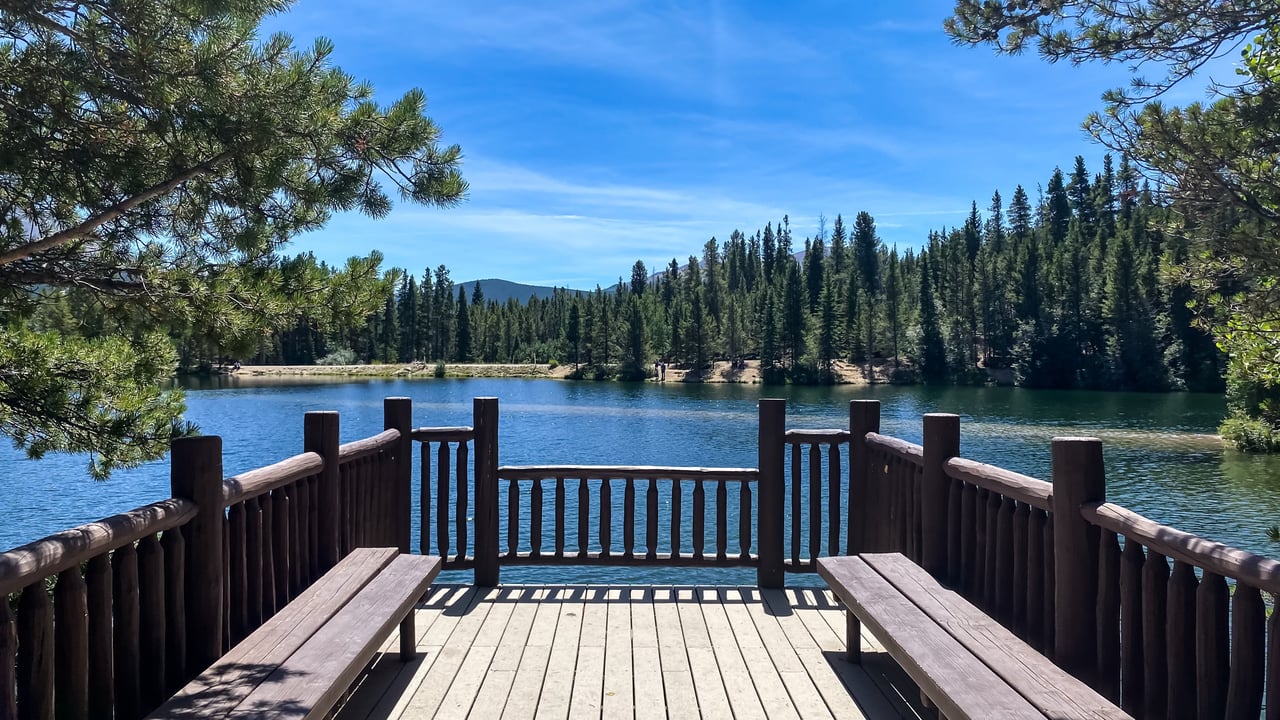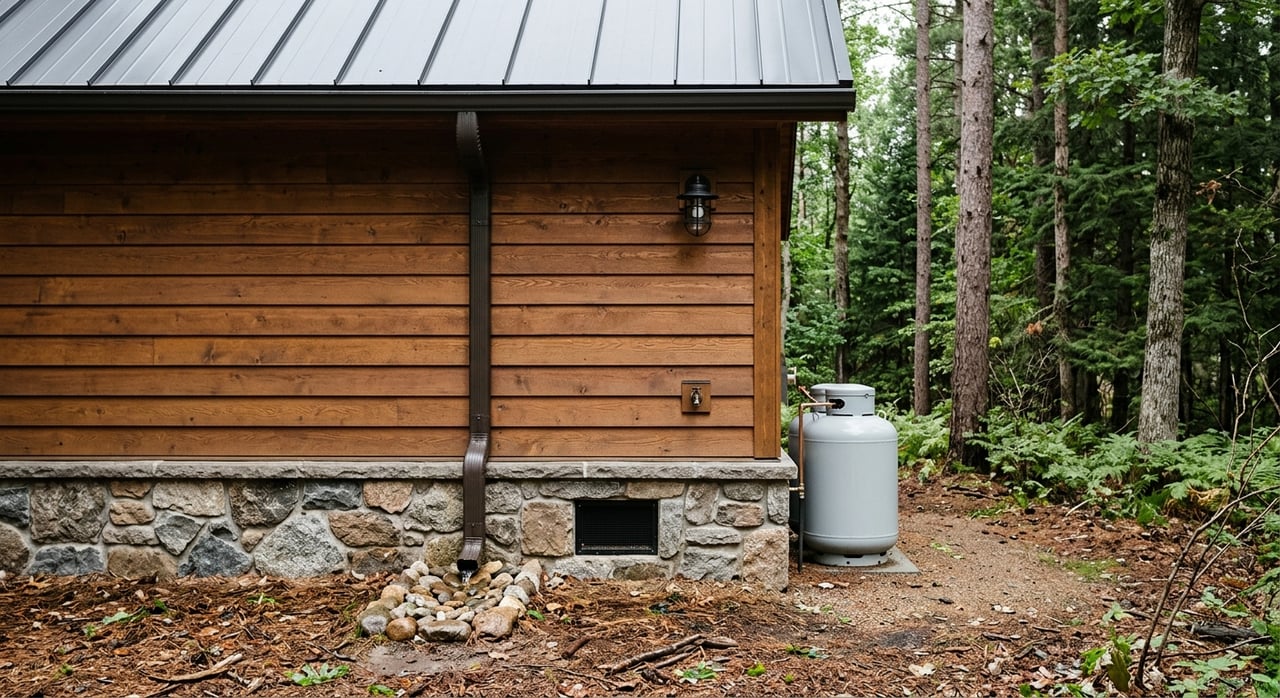
Dreaming about a mountain cabin that feels like a true getaway? Snowshoe Springs can check a lot of boxes for second-home buyers, but buying here is different from buying in a typical suburban neighborhood. If you want a clearer picture of what to expect, what to inspect, and what to ask before you make an offer, this guide will help you move forward with more confidence. Let’s dive in.
Snowshoe Springs at a Glance
Snowshoe Springs is a roughly 300-home subdivision in Calaveras County’s east-side mountain cluster, near communities like Arnold, Dorrington, Avery, and Camp Connell. County planning materials place it next to Big Trees Village, which helps explain why many buyers see it as a wooded, recreation-focused cabin area rather than a town-center neighborhood.
For second-home buyers, that setting is a big part of the appeal. You are buying into a mountain corridor tied closely to Highway 4 and the broader outdoor lifestyle of the area, not just a single subdivision on a map.
Why Second-Home Buyers Look Here
Snowshoe Springs appeals to buyers who want a quieter, lower-density setting with easy access to mountain recreation. Its location near Calaveras Big Trees State Park and other Highway 4 destinations makes it especially attractive if your goal is weekend use, seasonal stays, or a long-term family retreat.
That said, lifestyle and logistics go hand in hand here. A cabin in Snowshoe Springs can offer a strong sense of escape, but it also comes with mountain-property realities like winter access, utility planning, and more property-specific maintenance.
Think Beyond the Cabin Itself
When you shop for a second home in Snowshoe Springs, it helps to think beyond finishes, square footage, and deck views. In this part of Calaveras County, the practical details often matter just as much as the floor plan.
A beautiful cabin may still need closer review for drainage, snow exposure, heating reliability, or wildfire resilience. That is one reason local guidance matters so much in mountain markets like this one.
Water and Utility Questions to Ask
Snowshoe Springs is not served by a standard city water utility setup. County materials state that Calaveras County Water District has provided wholesale treated water to the Snowshoe Springs Association, while the association owns and operates the storage and distribution system.
County records also note that Snowshoe Springs historically relied on three groundwater wells, which were abandoned in the 1970s because of poor water quality. In practical terms, this means you should confirm how the home’s water service works, what association responsibilities apply, and whether there are any current system documents you should review during escrow.
A county checklist also notes that Snowshoe Springs is one of the mountain communities where mutual water systems are owned by property owner associations. For second-home buyers, that makes it especially important to understand the community structure before closing.
Septic Due Diligence Matters
Wastewater setup should be verified on a parcel-by-parcel basis. Calaveras County Environmental Health notes that many county properties use on-site wastewater systems, and system performance can depend heavily on soil permeability, geology, and groundwater levels.
If the cabin has a septic system, ask for pumping records, permit history, and a separate septic inspection. The county says septic tanks are typically pumped about every five years, and it also notes that slow soil conditions, restrictive geologic formations, and perched water tables can affect performance.
If a seller does not have clear maintenance records, that does not automatically mean there is a problem. It does mean you should slow down and investigate further before removing contingencies.
Winter Access Is a Real Buying Factor
In Snowshoe Springs, winter access is not a minor detail. Calaveras County Public Works says winter storms can cut off heat, power, and communication services, especially in higher-elevation communities like Arnold and Dorrington.
The county prioritizes main roads, emergency routes, and school-bus routes. It does not plow private roads or driveways, and property owners are responsible for driveway culverts and clearing snow berms at the driveway edge.
For a second-home owner who may not be there during every storm, this matters a lot. You should ask about road maintenance, driveway slope, sun exposure, turnaround space, and how easy the property is to access during snow events.
The county also advises drivers to carry chains in snowy zones. Even if you only plan to visit on select weekends, winter readiness should be part of your buying decision.
What to Inspect Before You Make an Offer
In Snowshoe Springs, inspections should focus on mountain-specific risks, not just standard cosmetic concerns. Calaveras County says all parcels in the county are located within a California Wildland-Urban Interface fire hazard severity zone classified as High or Very High.
Because of that, wildfire resilience should be a core part of your review. Pay close attention to:
- Roof covering
- Vents
- Decks
- Eaves and soffits
- Tree clearance
- Defensible space around the home
County building guidance treats ignition-resistant construction and defensible-space zones 0 through 2 as part of the standard review framework. If a cabin has been updated over time, you may want to understand which features appear newer and which may still need future improvement.
Look Closely at Site Conditions
County building guidance also highlights site conditions that matter in mountain properties, including topography, drainage, wells, septic systems, utilities, hydrants, driveways, and disturbed areas. That is a good reminder that the land and layout around the cabin can be just as important as the home itself.
For buyers, this often means watching for moisture intrusion, slope drainage issues, difficult driveway design, and utility layouts that may be less convenient than they first appear. A cabin can show beautifully and still have site-related concerns that affect cost and ease of ownership.
Heating, Snow Load, and Cold-Weather Readiness
Mountain homes need a different level of practical review, especially if you will not occupy the property full time. County building guidance highlights snow-load determination and woodstove installation clearances as part of mountain-area review.
You should also confirm freeze protection, heating-system service history, and whether there is a backup plan for power outages. While that recommendation comes from the county’s winter-storm preparedness guidance rather than a specific code requirement, it is highly relevant for second-home owners who may be away during severe weather.
Recreation Is Part of the Value
One of Snowshoe Springs’ biggest lifestyle advantages is its place in the Highway 4 recreation corridor. Calaveras Big Trees State Park is a major nearby amenity, located about four miles northeast of Arnold on Highway 4.
The park preserves the North Grove and South Grove of giant sequoias and is a major draw for hiking, sightseeing, and winter recreation. For many second-home buyers, that nearby access is part of what makes owning here feel worthwhile year after year.
The park’s Walter W. Smith Parkway closes after the first significant snowfall or by December 1, then reopens May 1 or later if snow remains. If your cabin plans include winter visits, seasonal closures and changing road conditions are worth keeping in mind.
School District Context for Buyers
Even if you are shopping for a second home, school district information can still matter for long-term planning, resale, or future use. The Calaveras County Office of Education says the east side of the county, including Dorrington, is served by Mark Twain Union Elementary School District, Vallecito Union School District, and Bret Harte Union High School District.
For buyers considering part-time living, multi-generational use, or an eventual full-time move, this gives you a clearer picture of the broader area. As always, you should verify school attendance and assignment details directly during your due diligence.
What the Market Data Really Means
Broader county numbers can offer context, but Snowshoe Springs is best understood as a niche, property-specific market. C.A.R. reported that Calaveras County existing-home sales were down 13.5% year over year in June 2026, while Redfin reported a median Calaveras County sale price of $471,000 over the prior three months, up 6.1% from the same period a year earlier.
C.A.R. also noted that smaller counties can see outsized percentage swings because transaction volumes are limited. That is especially important in a cabin market, where condition, access, lot characteristics, maintenance history, and seasonal appeal can all influence value.
In other words, countywide averages can only tell you so much. In Snowshoe Springs, pricing should be judged cabin by cabin.
A Smart Snowshoe Springs Buying Checklist
If you are serious about buying a second home here, keep this checklist handy:
- Confirm how the community water system is structured
- Verify the property’s wastewater or septic setup
- Ask for septic pumping and permit records
- Review wildfire resilience features and defensible space
- Inspect drainage, slope, driveway, and winter exposure
- Check heating history and freeze protection measures
- Ask about power outage planning and seasonal access
- Look at the cabin’s condition in the context of the lot and surrounding site
- Evaluate value based on the individual property, not just county averages
Why Local Guidance Helps
Second-home buyers in Snowshoe Springs often come from outside the immediate area, and that can make mountain-specific details easy to miss. A cabin that seems simple on paper can involve a lot of important questions about access, maintenance, inspections, and long-term ownership.
That is where local experience can make the process smoother. When you work with a team that understands Calaveras County cabins, second homes, and Highway 4 corridor properties, you are better positioned to spot issues early and make a more informed decision.
If you are thinking about buying a cabin in Snowshoe Springs, the Terri Watkins Team can help you evaluate options with clear local insight and practical second-home guidance.
FAQs
What makes Snowshoe Springs different from a typical suburban neighborhood?
- Snowshoe Springs is a wooded, low-density mountain subdivision in Calaveras County’s Highway 4 recreation corridor, with a setting that is more focused on cabin living and outdoor access than town-center convenience.
What should second-home buyers in Snowshoe Springs know about water service?
- County materials say the Snowshoe Springs Association owns and operates the storage and distribution system, while Calaveras County Water District has provided wholesale treated water.
What should buyers ask about septic systems in Snowshoe Springs cabins?
- You should ask for pumping records, permit history, and a separate septic inspection because system performance can be affected by soil, geology, and groundwater conditions.
How important is winter access when buying a Snowshoe Springs second home?
- Winter access is very important because county guidance says storms can disrupt heat, power, and communications, and private roads, driveways, culverts, and snow berms are typically the property owner’s responsibility.
What are the biggest inspection issues for cabins in Snowshoe Springs?
- Key issues include wildfire resilience, defensible space, roof and vent conditions, drainage, slope, driveway design, heating reliability, snow-load considerations, and overall site conditions.
How should buyers think about Snowshoe Springs home values?
- Buyers should use county market data only as broad context and judge value property by property, since cabin pricing in smaller mountain markets can vary widely based on condition, access, and location details.