Dreaming about a place where ski days, lake days, and trail days can all be part of the same home base? Bear Valley stands out because it is not just a winter destination. It is a high-elevation mountain village where the seasons shape how you live, play, and own property. If you are thinking about a second home or mountain retreat here, understanding that rhythm can help you make a smarter move. Let’s dive in.
Why Bear Valley Works Year-Round
Bear Valley sits off State Route 4 in the Stanislaus National Forest, and it functions more like a residential alpine village than a typical stand-alone town. That setting is a big part of its appeal for buyers who want recreation close at hand instead of a long drive to every outing.
Winter gets most of the attention, but the area supports an active lifestyle through all four seasons. Bear Valley Mountain Resort reports 9 lifts, 75 trails, 1,680 acres, and more than 359 inches of annual snowfall at 8,495 feet. Just two miles east, the U.S. Forest Service places Lake Alpine at 7,300 feet, which helps broaden the appeal well beyond ski season.
For second-home buyers, that mix matters. You are not buying into a place that shuts down after the snow melts. You are buying into a mountain setting with different ways to enjoy it throughout the year.
Winter in Bear Valley
Skiing Is the Anchor
Bear Valley’s winter identity starts with alpine skiing and snowboarding. If your ideal weekend includes quick access to the slopes, this is the kind of location where that lifestyle becomes much more practical.
The resort also supports a true village experience. When the resort is open, a complimentary shuttle runs between the mountain parking lot and the Bear Valley Village hotel, which can make winter movement a little easier during busy snow days.
Winter Activities Go Beyond Downhill
Bear Valley is not only for skiers and snowboarders. Bear Valley Adventure Co. says it offers cross-country skiing, snowshoeing, sledding, and tubing, along with 65 kilometers of groomed trails across 3,000 acres.
That wider menu is part of what makes Bear Valley appealing as a family or group destination. Not everyone has to spend the day on a chairlift to enjoy being here, and that can make a second home feel useful to more people more often.
Summer and Shoulder Seasons Stay Active
Lake Alpine Expands the Lifestyle
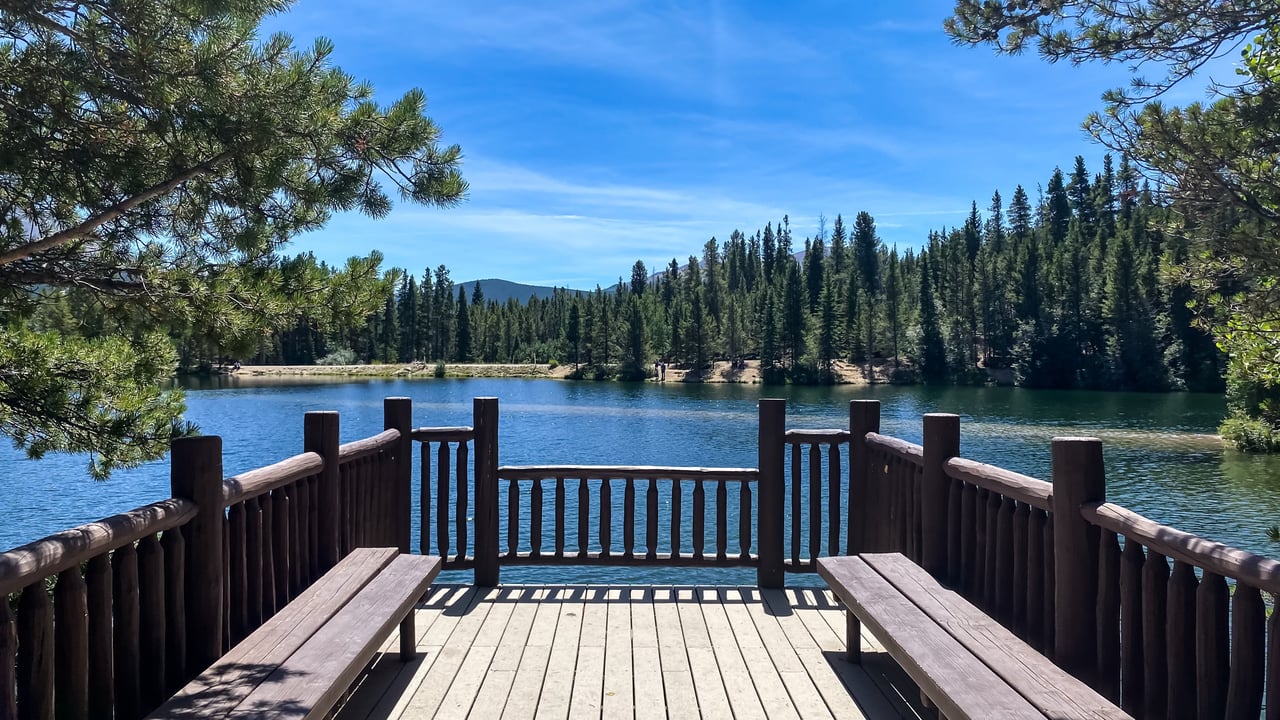
Summer changes the pace, but it does not empty the area out. The Lake Alpine Recreation Area offers swimming, boating, hiking, camping, fishing, picnicking, biking, and interpretive programs, giving owners another major outdoor draw just minutes away.
In winter, that same area becomes part of Lake Alpine SNO-PARK for snowshoeing, snowmobiling, and cross-country skiing. That crossover is one reason Bear Valley works so well as a four-season home base instead of a one-purpose getaway.
Warm-Weather Amenities Add Flexibility
Bear Valley Adventure Co. also offers kayak, canoe, and paddleboard rentals, along with mountain bike rentals and repair. You also have access to road and trail cycling, fuel, a mini-mart, and trail-side food service, which helps support short and easy weekend stays.
Some amenities do run on seasonal schedules. For example, the Bear Valley Lodge pool is scheduled to operate from June 5 through September 13, so it is smart to expect some services to expand or contract depending on the time of year.
What the Village Feels Like
A Compact Base for Short Stays
One practical advantage in Bear Valley is that you can often arrive and settle in without leaving the area for every small errand. The village and resort area include a General Store, dining options, gas, shuttle service, the lodge, and resort alerts through the app.
That convenience matters if you are coming from out of town for a long weekend. It supports the kind of low-stress second-home use that many buyers want, especially when time in the mountains is limited.
Seasonal Rhythm Is Part of the Experience
Bear Valley’s food and beverage options show that the village flexes with the calendar. Some businesses operate year-round, while others are seasonal or reopen for winter.
That does not mean the area becomes inactive. It means ownership here comes with a mountain-community rhythm, where planning ahead is part of enjoying the setting.
Types of Homes in Bear Valley
A Mix of Homes, Condos, and Lots
Bear Valley is not a one-property-type market. BVRI membership classes separately recognize lot and property owners, condo owners, old-subdivision owners, Granite Ridge owners, and short-term lessees.
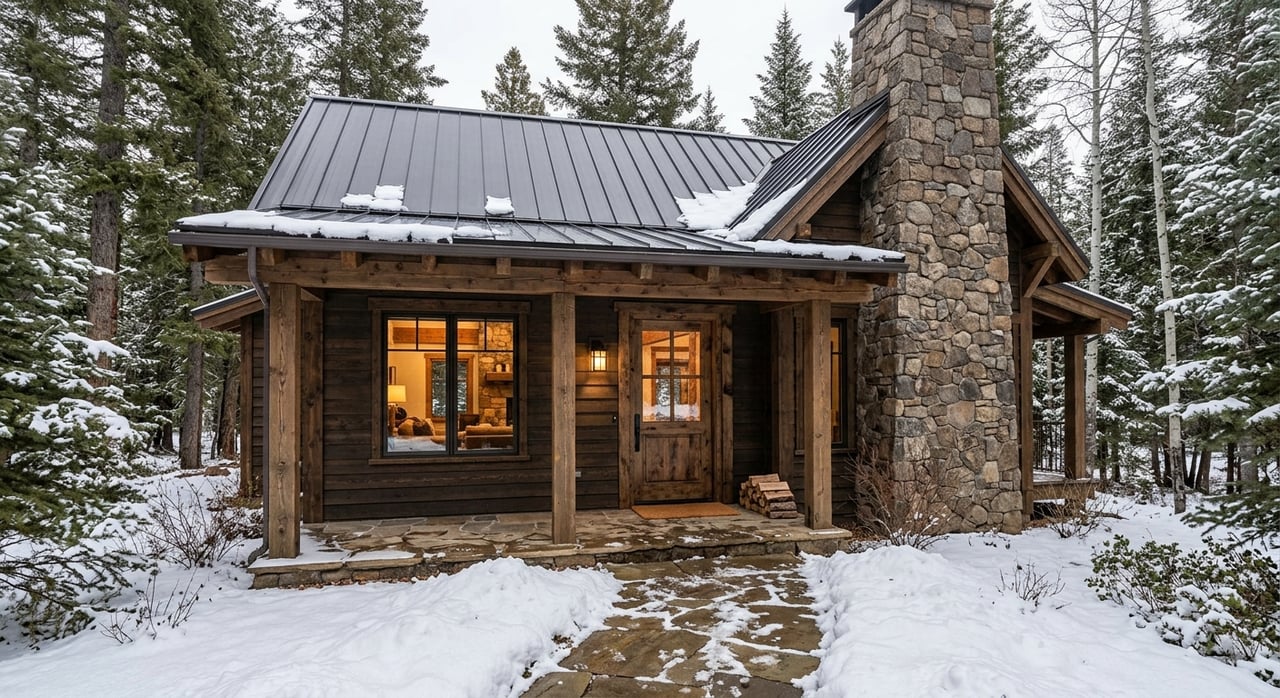
For buyers, the practical takeaway is that the area includes detached mountain homes or cabins, condos, and lot ownership. That gives you a range of options depending on whether you want more space, simpler maintenance, or a future building opportunity.
Community Rules Shape Ownership
BVRI was created when the village was initially developed and administers the CC&Rs for the New Subdivision. Those rules help define how ownership works and give the area a more managed village feel.
According to BVRI, only one house may be built on a lot, most exterior changes require ARC approval, houses need a minimum 900-square-foot ground floor, off-street parking is required, and fences and walls are not allowed. Rentals are allowed if they are otherwise consistent with the rules.
For many buyers, that structure is a benefit. It helps create a more consistent look and feel than you might find in a looser cabin area.
Bear Lake Membership Matters
Bear Lake can be an important part of the ownership experience. BVRI says membership is voluntary, but current members, their guests, and renters may use the BVRI-maintained beaches.
BVRI maintains two beaches at Bear Lake, and members and eligible users can swim, paddleboard, kayak, and fish under the lake rules. No motorized watercraft are allowed, and boats must be removed by the end of October.
If lake access is high on your wish list, this is one of the details worth checking early. In Bear Valley, lifestyle value is not only about the home itself but also about how you want to use the community.
What Ownership Requires in Winter
Access Takes Planning
One of the biggest differences between Bear Valley and lower-elevation mountain markets is winter access. BVRI says roads outside the village are not plowed in winter and are groomed for snowmobiling and skiing instead.
Winter parking shifts to village lots, and there are move days for plowing. BVRI also notes that snowmobiles are used for daily transportation to homes, must be parked off the road, and must be stored as hidden as possible in summer within three weeks after roads reopen.
For buyers, this is less about inconvenience and more about fit. If you love the idea of a true snow-country property, these routines may feel like part of the charm. If you want simple drive-up winter access at all times, it is something to think through carefully.
Road Conditions Are a Real Part of the Routine
Caltrans announced that SR-4 Ebbetts Pass reopened on May 6, 2026, after a formal winter closure that began in late December. Caltrans also advises motorists to check QuickMap, chain controls, and road conditions before mountain travel.
That means winter ownership usually involves planning around access, parking, storm timing, and snow storage. In Bear Valley, being prepared is part of using your home well.
Fire Readiness Is Part of the Culture
Bear Valley ownership also comes with a strong fire-safety focus. BVRI says the New Subdivision undergoes annual lot inspections for fire-safety and CC&R compliance, and owners are asked to remove dead trees, limb up live trees, clear duff, and keep addresses visible.
BVRI also offers a chipper program for piles and says the New Subdivision is a certified Firewise community. Alpine County’s official fire page identifies the Bear Valley Fire Department as an all-hazard public safety department serving the community.
For buyers, this is an important sign of how the community operates. Fire readiness is not treated as an afterthought. It is built into the ownership experience.
Is Bear Valley the Right Adventure Home Base?
Bear Valley can be a strong fit if you want a mountain property that supports year-round recreation and a true alpine setting. It offers skiing, snow play, lake access, hiking, biking, and a compact village environment that makes short stays easier.
It is also a place where ownership comes with structure. Community rules, seasonal access patterns, snow logistics, and fire-mitigation expectations all shape the experience. For many second-home buyers, that balance of recreation and stewardship is exactly what makes Bear Valley so appealing.
If you are considering buying in Bear Valley, it helps to work with a local team that understands the practical side of mountain ownership, not just the photos and floor plans. The Terri Watkins Team can help you navigate Bear Valley with clear, steady guidance.
FAQs
What makes Bear Valley a four-season home base?
- Bear Valley combines winter resort access with summer and shoulder-season recreation like hiking, biking, paddling, fishing, and Lake Alpine activities, so it supports more than just ski season.
What types of properties can you buy in Bear Valley?
- Bear Valley includes detached mountain homes or cabins, condos, and lot ownership, based on BVRI’s ownership and membership structure.
What should buyers know about winter access in Bear Valley?
- BVRI says roads outside the village are not plowed in winter, winter parking shifts to village lots, and snowmobiles are commonly used for daily transportation to homes.
What should buyers know about Bear Lake access in Bear Valley?
- BVRI says Bear Lake membership is voluntary, and current members, their guests, and renters may use the BVRI-maintained beaches and enjoy activities like swimming, kayaking, paddleboarding, and fishing under the lake rules.
What do community rules look like for Bear Valley properties?
- BVRI says the New Subdivision has CC&Rs that cover items like exterior approvals, parking, lot use, minimum house size, and certain design limits, which gives the area a more managed village feel.
What does fire readiness involve for Bear Valley homeowners?
- BVRI says owners in the New Subdivision are part of annual lot inspections and are asked to help with vegetation management, visible addressing, and general fire-safety upkeep.